
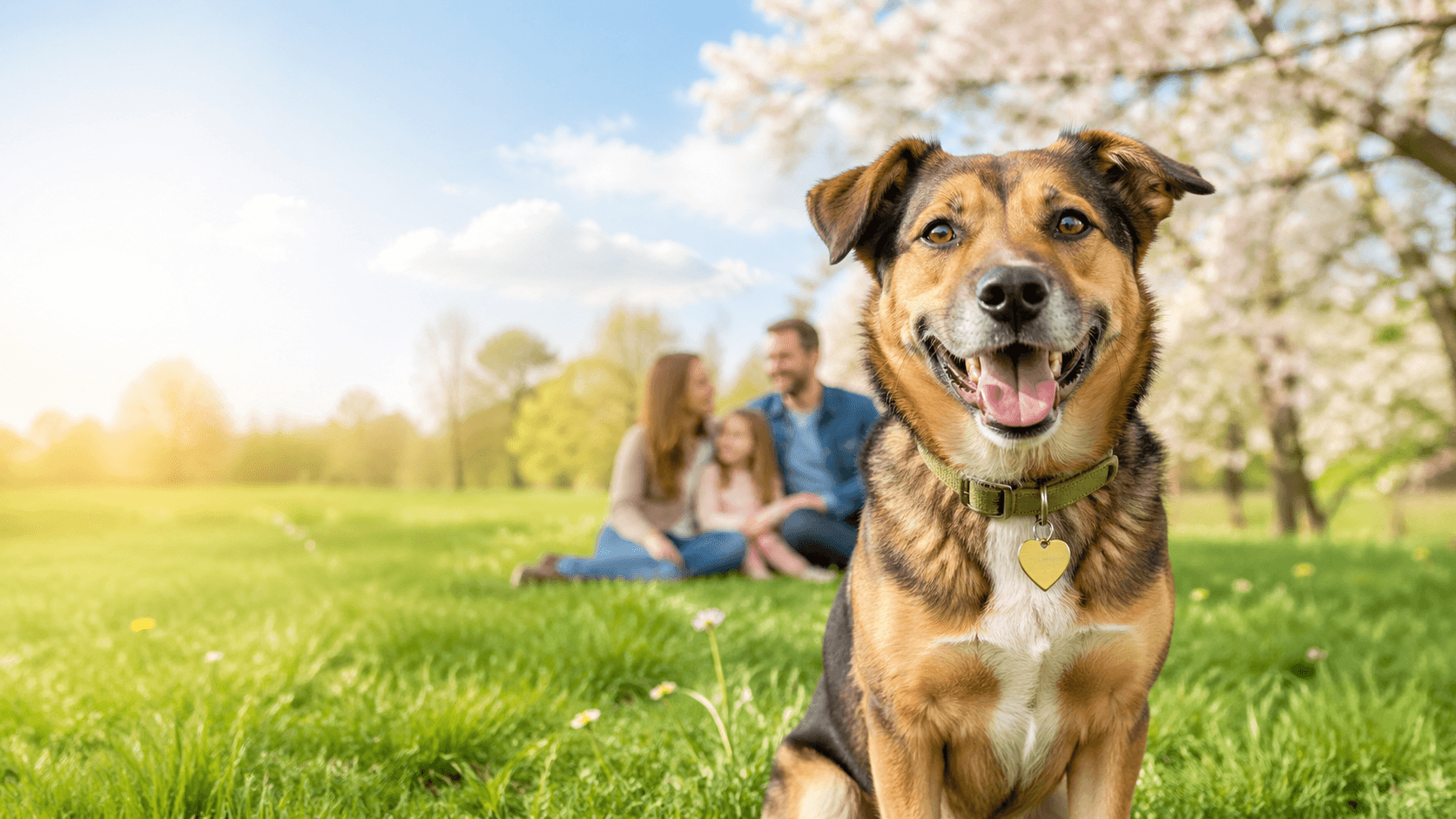
Celebrating National Rescue Dog Day
Every year on May 20, pet lovers celebrate National Rescue Dog Day — a day dedicated to honoring rescue dogs, raising awareness about adoption, and recognizing the joy these pets bring to their families.
Rescue dogs come from all kinds of backgrounds. Some may have been surrendered by previous owners, some may have been found as strays, and others may have spent time in shelters or foster homes before finding their forever families. No matter their story, rescue dogs have one thing in common: they deserve love, patience, and lifelong care.
Whether you recently adopted a rescue dog or have been loving one for years, National Rescue Dog Day is a great reminder to celebrate their journey and support their health.
Why Rescue Dogs Are So Special
Ask anyone with a rescue dog, and they will probably tell you the same thing: rescue dogs have a special way of becoming family.
They may be goofy, loyal, shy, energetic, snuggly, cautious, or full of personality. Some settle into a new home quickly, while others need more time to feel safe and confident. Every rescue dog is unique, and helping them adjust is part of building a strong bond.
National Rescue Dog Day is not just about celebrating adoption. It is also about recognizing the ongoing care rescue dogs need to live happy, healthy lives.
Bringing Home a Rescue Dog: What to Expect
Adopting a rescue dog is exciting, but it can also be an adjustment for both the dog and the family. Even a friendly, well-socialized dog may feel overwhelmed in a new environment.
During the first few days and weeks, your rescue dog may need time to learn:
- Where they sleep
- Where they eat
- Where to go potty
- Who lives in the home
- What sounds, smells, and routines are normal
- That they are safe
Some dogs may be shy or quiet at first. Others may be energetic, anxious, or unsure how to behave. Patience, consistency, and positive reinforcement can make a big difference.
A helpful rule of thumb is to give your new dog time to decompress before expecting them to fully show their personality. Their confidence often grows as they learn the home routine and build trust with their new family.
Schedule a Veterinary Visit Soon After Adoption
One of the most important steps after adopting a rescue dog is scheduling a veterinary wellness exam. Even if your new dog appears healthy, a checkup helps establish a baseline and allows your veterinary team to identify any health concerns early.
During a new dog veterinary visit, your veterinarian may discuss:
- Vaccination history and needed boosters
- Flea, tick, and heartworm prevention
- Heartworm testing
- Intestinal parasite screening
- Spay or neuter status
- Dental health
- Nutrition and weight
- Skin, coat, ears, and eyes
- Behavior or anxiety concerns
- Microchip placement or registration
This visit is also a great time to ask questions. Rescue dogs may come with incomplete medical histories, so your veterinarian can help create a care plan based on your dog’s age, lifestyle, and health needs.
Common Health Considerations for Rescue Dogs
Many rescue dogs are healthy, but some may need extra care depending on their past environment, age, or medical history. Common concerns can include parasites, skin issues, dental disease, ear infections, weight concerns, or anxiety-related behaviors.
Some dogs may also need time to adjust to new food, new routines, and new people. Digestive upset, mild stress, or changes in appetite can happen during transitions, but ongoing symptoms should be discussed with your veterinarian.
Contact your veterinary team if your rescue dog experiences:
- Vomiting or diarrhea
- Coughing or sneezing
- Limping or stiffness
- Excessive scratching
- Hair loss or irritated skin
- Lack of appetite
- Extreme fear, hiding, or anxiety
- Sudden behavior changes
- Difficulty urinating or defecating
Early veterinary guidance can help prevent minor concerns from becoming bigger problems.
Helping Your Rescue Dog Feel at Home
Every dog adjusts at their own pace, but a calm, predictable environment can help your rescue dog feel more secure.
Here are a few simple ways to support the transition:
Create a Routine
Dogs thrive on consistency. Feeding, walks, potty breaks, playtime, and bedtime routines help your dog understand what to expect each day.
Give Them a Safe Space
A quiet bed, crate, or cozy corner can give your dog a place to relax when they feel overwhelmed. This is especially helpful in homes with children, other pets, or lots of activity.
Introduce New Experiences Slowly
It may be tempting to show off your new dog right away, but too many new people, places, or pets at once can be stressful. Slow introductions help build confidence.
Use Positive Reinforcement
Reward calm behavior, potty success, basic commands, and gentle interactions with praise, treats, or affection. Positive reinforcement helps build trust.
Be Patient
Some rescue dogs need days to settle in. Others need weeks or months. Progress may come in small steps, and that is okay. A little patience can go a long way.
Don’t Forget Preventive Care
Once your rescue dog has settled in, ongoing preventive care is key to keeping them healthy. Routine veterinary visits help track changes in weight, dental health, mobility, behavior, and overall wellness.
Preventive care for rescue dogs may include:
- Annual wellness exams
- Core and lifestyle-based vaccines
- Year-round flea, tick, and heartworm prevention
- Heartworm testing
- Fecal testing for intestinal parasites
- Dental exams and cleanings
- Nutrition guidance
- Senior pet screenings as they age
Even after adoption day has passed, your dog’s health journey continues. Preventive veterinary care helps support a longer, more comfortable life.
Fun Ways to Celebrate National Rescue Dog Day
Want to make May 20 extra special? Here are a few pet-friendly ideas:
- Take your dog on a favorite walk
- Donate supplies to a local shelter or rescue group
- Share your rescue dog’s adoption story
- Schedule a wellness exam or preventive care visit
- Update your dog’s microchip information
- Treat them to a new toy, puzzle feeder, or enrichment activity
- Spend extra time doing something they love
Of course, your dog may argue that every day should include treats and extra attention. Honestly, they make a good point.
Supporting Rescue Dogs in Central Illinois
Rescue dogs bring so much love, laughter, and loyalty into our lives. National Rescue Dog Day is a wonderful opportunity to celebrate the dogs who found their second chance and the families who opened their homes to them.
If you have recently adopted a rescue dog, or if your longtime rescue companion is due for a checkup, Limestone Companion Animal Hospital in Bartonville is here to help. Our veterinary team can provide wellness exams, preventive care, vaccinations, parasite prevention, nutrition guidance, and personalized recommendations to help your dog thrive.
Contact us today to schedule your rescue dog’s next veterinary visit.